Google November Core Update: What UK Businesses Should Do Now
Your rankings may wobble over the next fortnight, right as the Christmas rush begins. Here's how to tell a real change from noise, and what's worth doing while Google finishes.
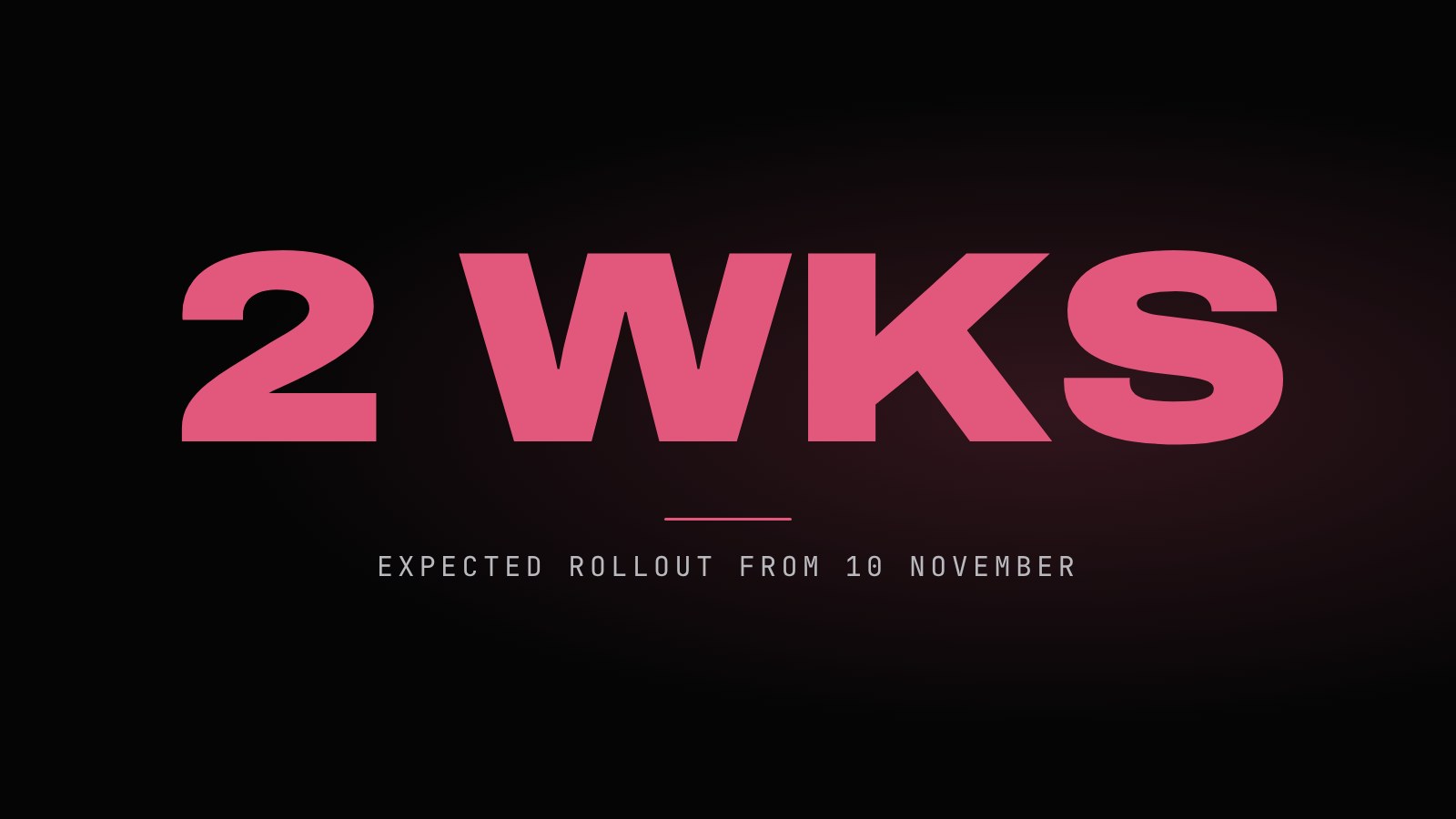
Seen your Google rankings bounce around this week? You're not imagining it. The Google November core update began on Tuesday 10 November 2026 and is expected to take up to two weeks to finish. For UK businesses that rely on search for enquiries or online sales, that timing lands right in the run-up to Black Friday and Christmas, so it's worth knowing what's going on before you change anything.
The short version: don't panic, don't make big changes mid-rollout and use the next fortnight to get your measuring and your content in order.
What is the November 2026 core update?
A core update is a broad change to how Google weighs up pages across the whole of search. It isn't aimed at any one site, trick or type of business. Google's Search Status Dashboard logged the start at 10:06 Pacific time on 10 November, which was just after 6pm in the UK, and says it "applies globally and to all languages". That includes every UK website.
The key facts:
- Started: Tuesday 10 November 2026
- Expected length: up to two weeks, so it should settle around Tuesday 24 November
- Where: worldwide, every language
- This year: it's Google's third core update of 2026, after March (27 March to 8 April) and May (21 May to 2 June), as listed by Search Engine Roundtable
In its announcement, quoted by Search Engine Journal, Google described it as "a regular update designed to better surface relevant, satisfying content for searchers from all types of sites." No new rules were announced and no specific targets were named.
Is a core update a penalty?
No, and that's the most common misunderstanding. A core update re-ranks pages by comparing them with everything else on the same topic. If your page slips, it usually means other pages are now judged more helpful for that search, not that you did something wrong. That's different from a spam update, which goes after rule breaking. We covered the most recent one in our Google spam update guide.
It also means there's no single fix to apply and no switch to flip. Recovery, where it's needed, comes from making the page genuinely better for the person searching.
Why the timing matters for UK businesses
If the rollout runs the full fortnight, it will finish just before Black Friday on 27 November and Cyber Monday on 30 November. That creates a measuring trap. Search Engine Journal points out that comparing a holiday week with a normal week will muddy the picture, because traffic shifts for seasonal reasons anyway.
For a retailer, a jump in visits in late November might be shoppers, not the update. For a trade or professional services firm, a quiet week in early December might be the season, not Google. Keep that in mind before deciding the update helped or hurt you.
Five steps to take during the Google November core update
1. Write down your baseline today
Google's own advice is to wait until the rollout is complete, then let at least a full week pass before comparing your Search Console figures with a week before it started. For this update, that "before" week is the one ending 9 November. Open Google Search Console now, note clicks and impressions for that week and save a copy. Future you will be glad of it.
2. Hold off on big changes until it finishes
Rewriting pages, changing URLs or redesigning menus mid-rollout makes it impossible to tell what caused any movement. Carry on with normal work, such as adding products, posting news and answering reviews, but save major SEO changes until after the update has settled.
3. Fix the basics that help in any update
Slow pages, broken links, missing titles and a poor mobile layout don't help any website. These are safe to fix at any time. Our free SEO health check highlights them in a few minutes, and good hosting with fast servers takes care of much of the speed side.
4. Read your key pages as a customer would
Pick your five most important pages and ask: does this answer what someone searching would want to know? Does it show real experience, such as photos of your own work, prices or a clear process? Thin pages that only repeat keywords are the ones most likely to lose ground when Google re-ranks everything. The same habits also help you appear in AI answers, which we explain in our guide on optimising your website for AI search.
5. Look at whole sections, not single keywords
Once the update is done, check which groups of pages moved. A drop across every page is often seasonal. A drop limited to one service or product range points to where the content needs work.
What if my traffic drops?
First, make sure it's real: compare like with like, allowing for Black Friday and the run-up to Christmas. Then look at the pages that slipped next to the ones that now outrank them, and be honest about which is more useful. Improvements can take time to be recognised, and sometimes rankings recover at the next core update without any change from you. If you're still unsure, a fresh pair of eyes helps.
How Blink Web can help
With 30+ years of combined experience building and looking after websites for UK businesses, we can help you through this update calmly:
- Search engine optimisation: local, technical and content work that holds up through updates, with no shortcuts.
- Free SEO health check: a quick report on your titles, sitemap, speed and mobile setup.
- Website design: fast, well-structured WordPress and e-commerce sites built to be found.
- WordPress maintenance: updates, backups and monitoring so your site stays healthy all year.
Worried about your rankings in the run-up to Christmas? Get in touch and we'll look at your Search Console data with you once the update has finished.
Sources: Google Search Status Dashboard: November 2026 core update, Search Engine Roundtable: Google November 2026 core update rolling out, Search Engine Journal: Google's November 2026 core update starts rolling out.