SEO Poisoning: Why the FBI Is Warning WordPress Site Owners
Criminals have been quietly taking over ordinary WordPress websites and using them as bait in Google results. Here's how to tell if your site has been roped in, and how to keep your team from taking the bait.
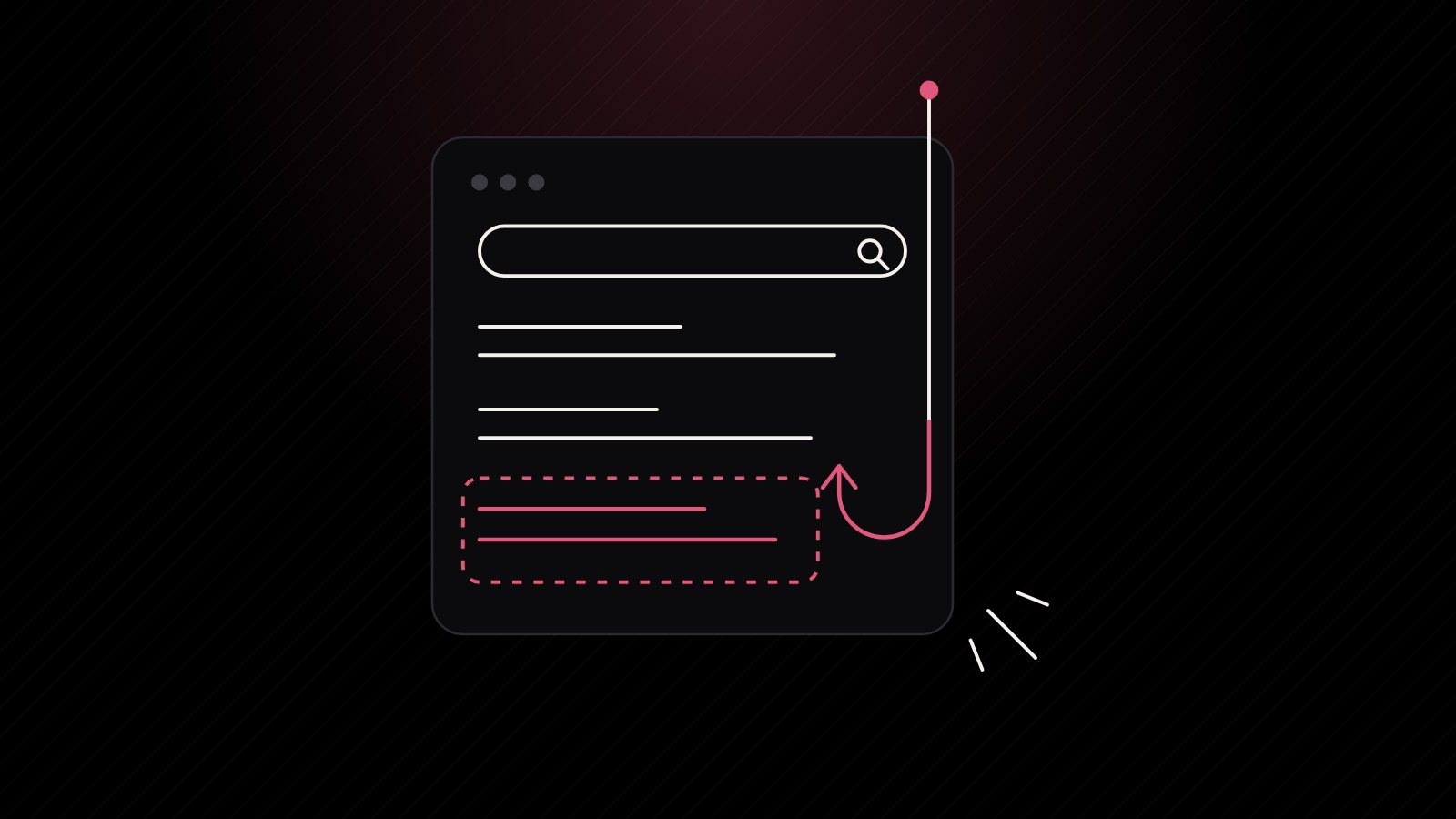
Your website could be doing a criminal's work without you knowing. On 16 November 2026 the FBI published an alert about SEO poisoning: a long-running scheme that breaks into normal WordPress websites, plants fake pages on them and pushes those pages up Google's results so that people searching for documents end up downloading malware. According to the alert, the trail led to more than $28 million in ransomware payments.
The campaign behind it is called Gootloader. It mainly targeted legal professionals in the US, but the websites it hijacked belong to ordinary businesses, and one of the example searches the FBI lists is about UK inheritance tax. So there are two questions for UK businesses, from sole traders to larger teams: could your website be one of the hijacked ones, and could someone on your team be the person who clicks?
What is SEO poisoning?
Search engine optimisation normally helps honest pages get found. SEO poisoning turns that on its head: criminals pick search phrases that few legitimate pages compete for, then create pages that answer them and make sure those pages rank.
In the FBI alert, the chosen phrases were often very specific legal questions, such as a contract clause for a particular jurisdiction. Someone types that question into Google, sees what looks like a helpful article on a respectable website and downloads what they think is a template or agreement.
How the Gootloader scheme worked
The FBI describes activity running from 2020 to 2026. Pieced together from its alert, the pattern looked like this:
- Find WordPress sites to break into. The attackers scanned for sites exposing xmlrpc.php, a file often targeted by password-guessing attacks.
- Get in. They used stolen or guessed logins and weak plugins and themes to gain access.
- Plant the bait. Fake posts were added, along with hidden links and keywords to help them rank.
- Hide from the owner. Visitors were filtered by country, cookie, IP address and where they came from, so the site owner and many visitors saw nothing unusual.
- Deliver the download. The chosen victim got a ZIP file containing JavaScript. Opening it on a Windows PC started the infection.
- Hand over access. Once inside a network, criminals often followed up with ransomware.
As of October 2026, the FBI says it had identified more than 1,000 infected WordPress sites and 216 domains run by the Gootloader administrator.
Is your website part of an SEO poisoning campaign?
This is the uncomfortable part. A hijacked site can look perfectly normal when you visit it yourself, because the bait is only shown to the right visitor. The FBI's alert lists signs that are worth checking:
- Odd searches in Google Search Console. Queries about legal or business topics you've never written about are a red flag.
- Pages you didn't create. A sudden rise in indexed pages, or posts with old dates you don't recognise.
- Warnings from Google. Manual actions or security issues reported in Search Console.
- Unexpected file changes. New or edited plugins, themes, must-use plugins, JavaScript, .htaccess or index files.
- Strange traffic to xmlrpc.php. A high number of POST requests in your server logs.
Our free SEO health check and free website security check are a quick way to get a picture from the outside.
How to protect a WordPress website
Most of the FBI's advice for site owners is everyday housekeeping:
Keep everything current and remove what you don't use
Update WordPress core, plugins and themes promptly, ideally automatically for trusted ones. Delete old plugins, themes, staging copies and user accounts you no longer need. Every leftover is another way in. Our WordPress maintenance plans take care of this every month.
Lock down logins
Turn on multi-factor authentication for every administrator and for your hosting control panel. If nothing on your site uses xmlrpc.php, switch it off; if something does, limit how often it can be called.
Harden the hosting
Stop PHP files from running inside the uploads folder, protect wp-config.php and give each site its own account and database user. A web application firewall with login throttling helps block automated attacks. These protections come as standard on our UK web hosting.
Watch for changes
File integrity monitoring compares your files against the official WordPress versions and flags anything that has been altered.
If you think your site has been hijacked
Don't just delete the odd pages and move on. The FBI recommends changing every password (hosting, SFTP, WordPress, database and any API keys) from a computer you trust, signing out all sessions and finding out how the attacker got in before restoring a clean backup. Otherwise they'll simply walk back in. Our incident response team can help.
Protecting your team from poisoned search results
The other half of SEO poisoning happens on your staff's computers. A few simple habits make a big difference:
- Be wary of "free template" downloads. Get contracts and forms from your solicitor, trade body or official sites such as GOV.UK, not from a random search result.
- Treat ZIP files containing scripts as suspicious. If an archive holds a .js file, don't open it. Tell whoever looks after your IT.
- Know what to do if something was opened. Disconnect the PC from the network, don't switch it off and call for help straight away.
- Use standard user accounts day to day. It limits what malware can do.
- Keep security tools switched on. Microsoft Defender and SmartScreen should never be turned off to "get a download working".
Short, practical security awareness training helps staff spot this kind of trick, and managed cyber security watches for the suspicious behaviour that follows a click.
What's new compared with earlier attacks?
We wrote about hackers using outdated WordPress sites to spread malware back in January 2025. That campaign tricked general visitors with fake browser updates. This one is different: it is aimed at businesses, it uses search rankings rather than pop-ups as the bait and it is now backed by a detailed FBI alert with figures and practical checks. If you run WordPress, it's also worth reading our recent guide to updating WordPress safely.
Need a hand?
With 30+ years of combined experience looking after websites for UK businesses, we can check your WordPress site for signs of SEO poisoning, tidy up old plugins and accounts and keep it patched from now on. Get in touch and we'll take a look.
Sources: FBI FLASH CC-111626-MW: Gootloader malware using SEO poisoning and compromised websites (16 November 2026), Search Engine Roundtable: FBI report on SEO poisoning and ransomware payments, eSecurity Planet: Gootloader and hacked WordPress sites, PPC Land: SEO poisoning on hacked WordPress sites.